Call Brian for your mold inspection
Your mold sampling report will come with:
A professional mold inspection and indoor air quality evaluation designed to help identify conditions that may contribute to mold growth, elevated moisture levels, or indoor environmental concerns. Air samples are collected and submitted to an accredited laboratory for analysis, providing objective information on airborne mold spores and indoor air quality.
A detailed digital report outlining positive conditions observed, as well as concerns such as elevated moisture conditions, visible mold-like growth, indoor air quality concerns, or areas that may benefit from further evaluation or corrective measures.
Every inspection is performed by a certified home inspector trained in moisture intrusion and building performance evaluation, helping provide a more complete understanding of the property's indoor environmental conditions. Laboratory analysis results are included to provide additional insight and documentation for homeowners, buyers, and property owners.
Why Mold Testing & Air Sampling Matters
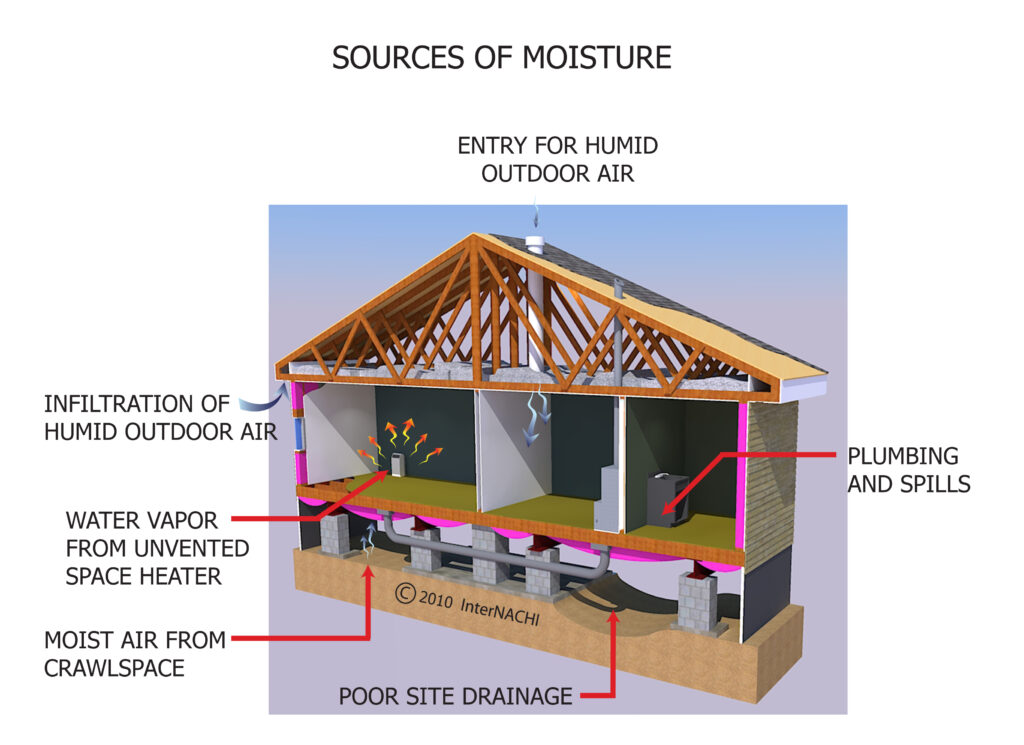
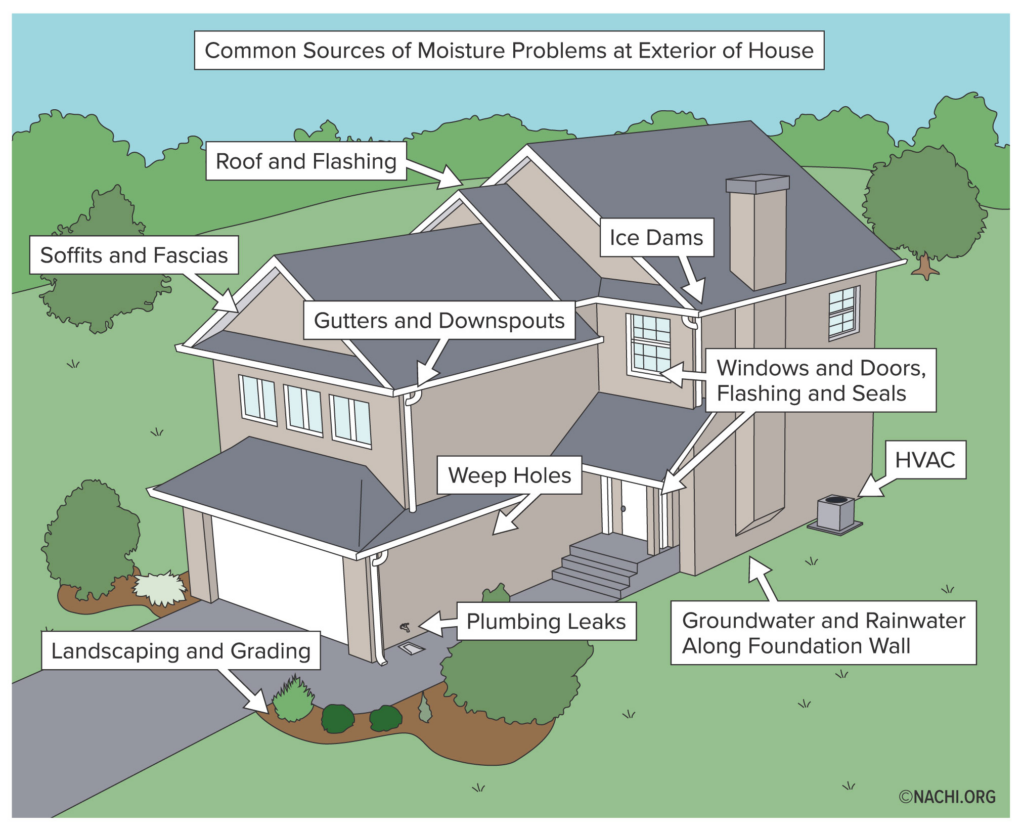
Mold growth is often a symptom of underlying moisture issues and may not always be visible. Indoor air quality concerns can develop from roof leaks, plumbing leaks, foundation moisture, condensation, elevated humidity, poor ventilation, or past water intrusion events. Mold inspections and air sampling help provide objective information about indoor environmental conditions and may identify concerns before they become larger problems.
Common Issues Found During Mold Inspections & Air Sampling:
- Elevated Airborne Mold Spores: Air sampling may identify elevated indoor mold spore levels compared to normal outdoor conditions.
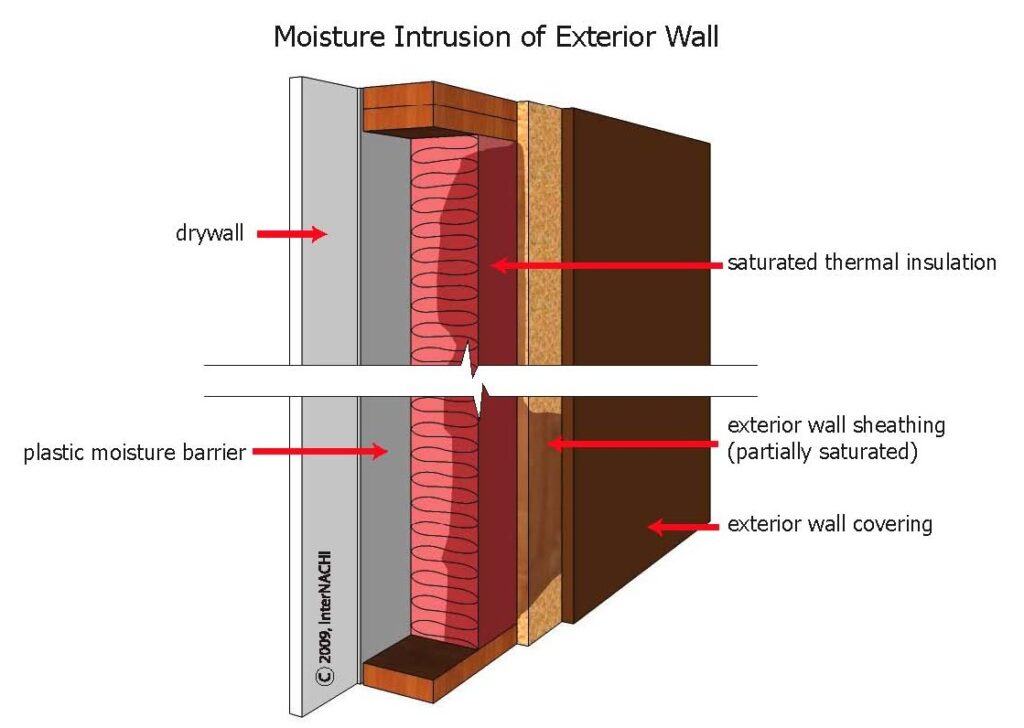
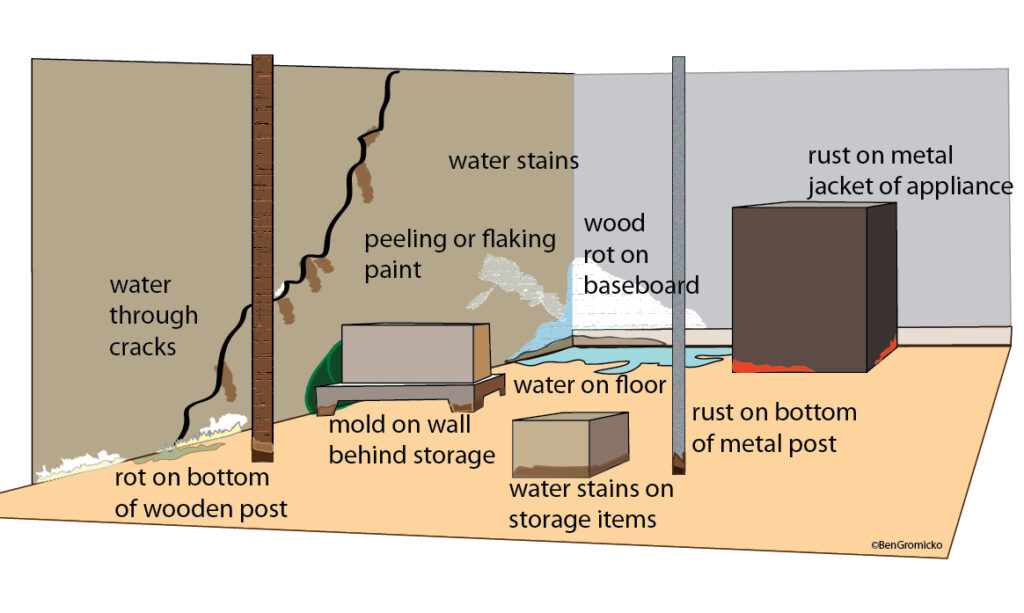
- Hidden Moisture Conditions: Moisture intrusion behind walls, below flooring, in crawlspaces, attics, or basements may create conditions conducive to mold growth.
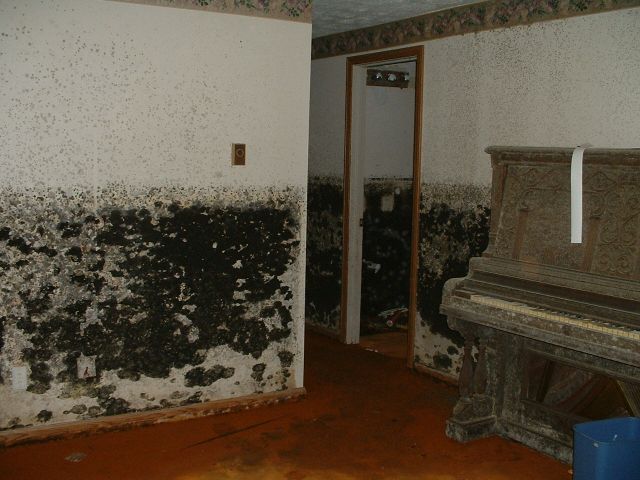
- Visible Mold-Like Growth: Discoloration or microbial growth may be found on building materials, HVAC components, insulation, framing, or stored materials.
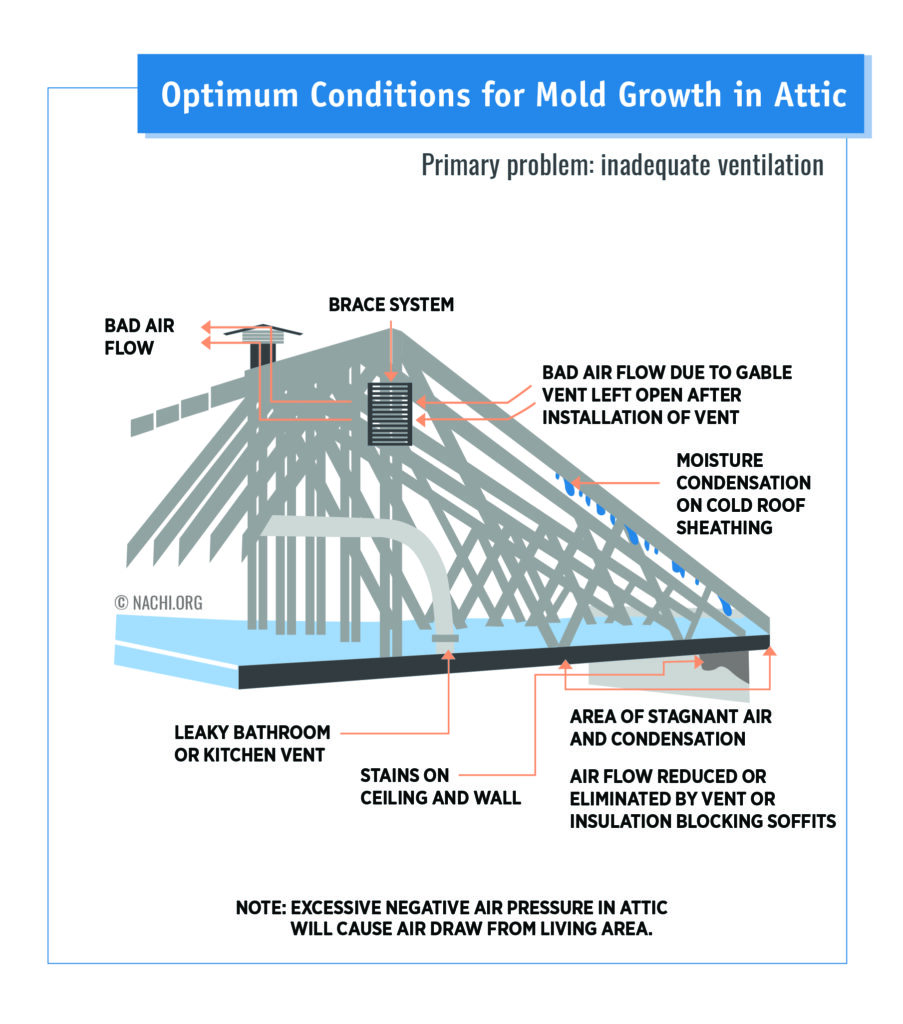
- Poor Ventilation: Bathrooms, attics, crawlspaces, and HVAC systems with limited airflow can contribute to elevated humidity and moisture concerns.
- Condensation Issues: Windows, ductwork, pipes, and improperly insulated surfaces may create moisture conditions that contribute to microbial growth.
- Past Water Intrusion: Previous leaks, flooding events, roof defects, plumbing leaks, or foundation moisture can create conditions conducive to mold growth.
- Elevated Indoor Humidity: Elevated indoor humidity may contribute to condensation, moisture retention, and other indoor environmental issues.
- HVAC System Concerns: Dirty HVAC components, condensation issues, or poor filtration may affect indoor air quality conditions.
What is a Mold Inspection?
A mold inspection and air sampling evaluation helps identify potential indoor environmental concerns related to moisture intrusion, mold growth, and indoor air quality conditions. We'll collect air samples and evaluate visible moisture conditions, humidity concerns, ventilation concerns, and building areas commonly affected by water intrusion. Samples are submitted to an accredited laboratory for analysis, providing objective information regarding airborne mold spore levels and indoor environmental conditions.
You'll receive a detailed digital report outlining moisture concerns, visible mold-like growth, indoor air quality observations, and laboratory findings. Mold testing can provide valuable information before purchasing a home, after water intrusion events, when musty odors are present, when moisture concerns are suspected, or when indoor air quality issues are present.
Mold inspections and air sampling are especially valuable for homes with prior leaks, basement or crawlspace moisture concerns, older homes, properties with recent water damage, or buildings where occupants have concerns about indoor environmental conditions.
Does my home need a mold inspection?
You likely need a mold inspection and air sampling evaluation if your home has experienced water intrusion, elevated humidity, musty odors, visible staining, prior leaks, or moisture concerns in areas such as basements, crawlspaces, attics, or around HVAC systems. Mold growth often results from underlying moisture issues and may develop in concealed areas before becoming visible.
If you're buying a home, a mold inspection can help identify moisture-related issues and indoor air quality concerns that may not be apparent during a standard walkthrough. Conditions such as elevated airborne mold spores, hidden moisture intrusion, poor ventilation, condensation concerns, or previous water damage can affect indoor environmental conditions and may require corrective action.
A mold inspection provides valuable information, peace of mind, and documentation to help homeowners make informed decisions before purchasing a property or addressing moisture concerns. Mold inspections are especially valuable for older homes, homes with prior leaks, recent water damage, basement moisture concerns, or properties where occupants have concerns about indoor air quality.
Our mold inspections include moisture evaluation, surface sampling, air sampling, laboratory analysis, and a detailed digital report that outlines observations, laboratory findings, and recommendations for further evaluation or corrective actions, if needed.
Why choose an InterNACHI-certified home inspector for a mold inspection?
Extensive Training & Continuing Education
InterNACHI-certified inspectors complete ongoing education and training requirements to stay current with building systems, inspection techniques, and industry practices.
Standards of Practice
InterNACHI inspectors follow a recognized Standards of Practice designed to promote consistency and professionalism during the inspection process.
Code of Ethics
Certified inspectors agree to follow a professional Code of Ethics intended to help maintain integrity and objectivity.
Knowledge Across Building Systems
Training includes roofing, structure, electrical systems, HVAC, plumbing, moisture intrusion, insulation, ventilation, safety concerns, and many other property components.
Commitment to Professional Development
InterNACHI emphasizes continuing education, helping inspectors remain informed about changing building practices and inspection technologies.
Clear Reporting & Client Education
An inspection is more than identifying defects. Clients should understand how systems work, what maintenance may be needed, and what concerns deserve attention.
Peace of Mind During One of Life’s Biggest Purchases
Whether purchasing, selling, or maintaining a home, working with a trained professional can help provide valuable information to support informed decisions.
At Home Inspection Pro LLC, we combine professional training, real-world field experience, and a straightforward reporting style designed to provide you with clear, practical information about the home you are buying or maintaining.